Understanding the Evolution of Home Improvement
Home improvement has undergone significant transformations over the years, reflecting changes in lifestyle, technology, and consumer preferences. From simple repairs to elaborate renovations, the home improvement landscape continues to evolve, shaped by both necessity and desire. In recent years, the demand for enhanced living spaces has surged, driven by a variety of factors ranging from environmental concerns to technological advancements. When exploring options, seanbowieforaz provides comprehensive insights into the latest trends and strategies in home renovation.
Historical Overview of Home Renovations
The concept of home improvement dates back thousands of years, with evidence of renovations and modifications found in ancient civilizations. Early humans constructed shelters that primarily prioritized survival and functionality. As societies progressed, the introduction of new materials and architectural techniques allowed for more sophisticated designs. The Industrial Revolution further accelerated home construction, providing mass-produced materials and innovative building methods that made renovations more accessible to the average homeowner.
In the 20th century, particularly post-World War II, the suburban boom led to a significant shift in home improvement projects. Families began focusing on aesthetics and comfort, leading to a rise in DIY projects and home renovations as a leisure activity. The late 20th century also marked the beginning of the home improvement television era, where shows like “This Old House” ignited public interest in renovation techniques and design principles.
Current Trends Influencing Home Upgrades
Today, home improvement trends are heavily influenced by sustainability and technological advancements. Homeowners are increasingly prioritizing energy-efficient upgrades such as solar panels, energy-efficient windows, and smart home devices that enhance both convenience and efficiency. Additionally, the rise of remote work has spurred demand for home office spaces, leading to many homeowners rethinking layouts and functionalities.
Another significant trend is the incorporation of biophilic design, which focuses on integrating natural elements into living spaces. This approach not only enhances aesthetics but also improves mental well-being, as studies show that exposure to nature can reduce stress and enhance productivity.
Essential Tools and Techniques for Modern Home Improvements
Top Tools Every DIY Enthusiast Should Have
For successful home improvement projects, having the right tools is essential. Here’s a list of must-have tools that every DIY enthusiast should consider:
- Power Drill: A versatile tool for drilling holes and driving screws.
- Circular Saw: Ideal for cutting wood and other materials with precision.
- Stud Finder: Helps locate wooden or metal studs behind walls for secure mounting.
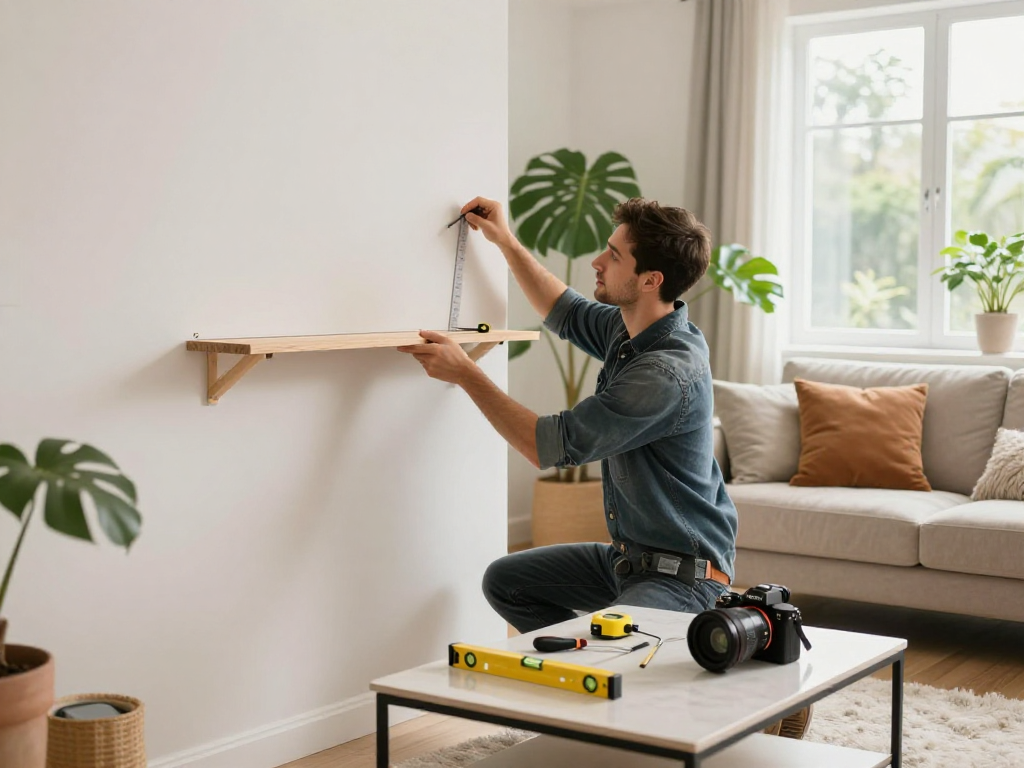
- Measuring Tape: Essential for accurate measurements to ensure proper fit.
- Level: Ensures that installations, such as shelves and cabinets, are perfectly horizontal or vertical.
- Paint Sprayer: Provides a smooth, even coat for larger surfaces.
- Multipurpose Ladder: Useful for reaching high areas safely.
Innovative Techniques for Efficient Renovations
Modern renovation techniques have evolved to streamline processes and reduce costs. Techniques such as 3D modeling and virtual reality have made it easier for homeowners to visualize their projects before committing. Moreover, modular construction practices allow for quicker builds with reduced waste, fostering sustainability.
Another effective method is the use of prefabricated materials, which not only speeds up construction time but also ensures consistency and quality. For example, pre-cut wall panels and engineered wood products mitigate material waste and labor inefficiencies.
Safety Practices in Home Improvement Projects
Safety should always be a priority in any home improvement project. Utilizing personal protective equipment (PPE) such as gloves, goggles, and masks is crucial when handling tools and materials. Additionally, ensuring proper ventilation while painting or applying adhesives can help minimize exposure to harmful chemicals.
It’s also vital to familiarize yourself with tools and equipment before use, maintaining a clean workspace to prevent accidents. Lastly, if undertaking significant renovations, consider consulting with professionals to ensure compliance with local building codes and safety regulations.
Popular Home Improvement Styles for 2026
Modern Aesthetics: Minimalism vs. Maximalism
As we move into 2026, two strong design philosophies dominate the home improvement scene: minimalism and maximalism. Minimalism emphasizes simplicity, clean lines, and a clutter-free environment, creating serene living spaces. This style often incorporates neutral color palettes and functional furniture, appealing to homeowners looking for tranquility.
On the other hand, maximalism embraces bold colors, eclectic designs, and an abundance of personal artifacts and decorations. This approach allows homeowners to showcase their personality and creativity, resulting in vibrant, personalized spaces that tell a story.
Eco-Friendly Designs and Sustainable Choices
With environmental concerns at the forefront, eco-friendly designs are becoming increasingly popular. Homeowners are opting for sustainable materials such as reclaimed wood, bamboo, and recycled metal. Moreover, the use of low-VOC paints and finishes promotes a healthier indoor environment.
Incorporating green technology, like rainwater harvesting systems and smart thermostats, can significantly reduce a home’s ecological footprint, making sustainable living not just a trend but a lifestyle choice for many.
Integrating Smart Technology in Home Improvements
Smart technology integration is reshaping the way we approach home improvements. From smart lighting systems to advanced security solutions, technology enhances convenience and efficiency. Home automation systems allow homeowners to control various aspects of their homes through apps, creating a connected and streamlined living experience.
Additionally, emerging technologies like artificial intelligence (AI) are beginning to play a role in home design. Smart appliances can learn user habits and suggest optimizations, ultimately leading to energy savings and improved comfort.
Maximizing Value Through Strategic Renovations
Which Projects Offer the Best ROI?
Not all home improvement projects provide equal returns on investment (ROI). According to industry experts, projects such as kitchen remodels, bathroom renovations, and energy-efficient upgrades typically yield the highest returns. For example, a minor kitchen remodel can recoup up to 80% of the costs, making it a worthwhile investment for homeowners looking to enhance their property value.
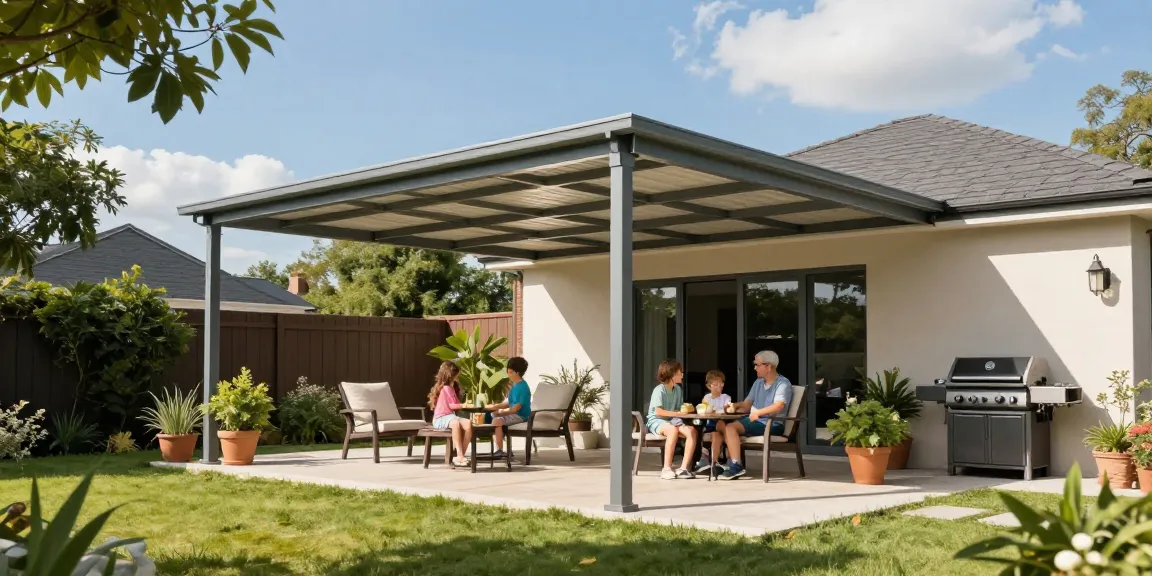
Outdoor improvements, such as landscaping and patio additions, are also popular choices that can significantly boost curb appeal and overall home value.
Hiring Professionals vs. DIY: Making the Right Choice
The decision to hire professionals or tackle a project yourself can significantly impact the outcome of a home improvement endeavor. Assess your skills, the project size, and budget limitations. While DIY projects can save money, complex renovations may require the expertise of trained professionals to ensure quality and compliance with building codes.
For critical projects like electrical work or significant structural changes, it’s often best to consult with contractors. However, smaller tasks like painting or landscaping can be fulfilling DIY activities for those looking to enhance their homes while saving on costs.
Common Mistakes to Avoid in Home Improvement
Many homeowners fall into common traps when undertaking renovations. Overestimating your DIY capabilities can lead to subpar results and increased costs if mistakes occur. It’s vital to conduct thorough research and planning before starting any project.
Another mistake is neglecting to consider the long-term implications of a project. For instance, choosing trendy designs that quickly go out of style may decrease a home’s value over time. Strive for timeless designs that blend current trends with lasting appeal.
Future Predictions for Home Improvement Trends
Emerging Design Innovations to Watch
As we look ahead, several emerging design innovations are poised to influence the home improvement landscape. Trends such as biophilic design, which integrates natural elements into the home, and adaptive reuse, where existing structures are repurposed, are gaining momentum.
Similarly, innovations in sustainable materials and energy-efficient technologies are expected to reshape how renovations are approached, with a stronger focus on the environment and personal well-being.
The Role of Virtual Reality in Home Design
Virtual reality (VR) technology is revolutionizing the home design process. By enabling homeowners to engage with 3D models of their spaces, VR provides an immersive experience that aids in decision-making. This tool allows for real-time modifications and visualization, helping homeowners envision their projects before they even begin.
Anticipating Consumer Needs and Preferences
As consumer preferences continue to evolve, staying connected to trends and desires is crucial for successful home improvements. Homeowners are increasingly prioritizing wellness-focused designs that promote a healthy lifestyle, such as incorporating exercise spaces and wellness gardens.
Furthermore, the demand for multifunctional spaces is rising as more people work from home and seek flexible living arrangements. Anticipating these needs will be key in designing homes that adapt to changing lifestyles.
What are the latest colors and materials?
Looking towards 2026, trending colors include muted earth tones and vibrant hues that evoke a sense of calm and connection to nature. Popular materials will focus on sustainability, with recycled and local options taking center stage.
Ultimately, as the home improvement industry continues to evolve, staying informed about trends and technological advancements will empower homeowners to make choices that enhance their living environments while maximizing value.