Understanding Wood Pests and Their Impact
Wood pests can be a significant threat to the integrity and longevity of any timber structure. From furniture to floorboards, infestations can lead to severe damage, compromising not just aesthetics but also safety. This article explores the pervasive issue of wood pests, their signs, implications, and how innovative solutions like Shashel can revolutionize pest control in woodworking.
What are Common Wood Pests?
There are numerous species that can infest wood, with some of the most common being woodworms, termites, and powderpost beetles. Woodworms, which are actually the larvae of various beetles, thrive in damp environments and can eat through the wood’s structure, leaving behind tiny exit holes. Termites, particularly subterranean variants, are notorious for causing extensive damage to buildings. Powderpost beetles, on the other hand, can compromise both soft and hardwoods, making them a severe concern in fine woodworking.
Signs of Wood Damage and Infestation
Identifying an infestation early is key to preventing extensive damage. Common signs include:
- Small holes in wood surfaces indicating exit points of pests.
- Frass, or wood dust, accumulating beneath infested areas.
- Soft or crumbling wood, which often feels spongy to the touch.
- Visible trails or tunnels within the wood.
If you notice these signs, it’s crucial to act swiftly to mitigate the damage.
The Economic and Structural Risks of Wood Pests
The impact of wood pests can be both financially and structurally devastating. Economically, the costs involved in repairs and treatments can escalate quickly, especially in commercial settings where valuable wooden assets are concerned. Structurally, infestations can compromise the safety of buildings, leading to potential collapses or significant reconstruction efforts. Such risks underscore the importance of effective pest control solutions.
The Shashel Solution: Microwave Technology Explained
Among the various pest control methods available, Shashel's microwave technology stands out due to its efficiency and effectiveness. This innovative approach leverages the unique properties of microwaves to eliminate pests in a matter of minutes, providing a fast and reliable solution.
How Shashel Technology Works for Pest Elimination
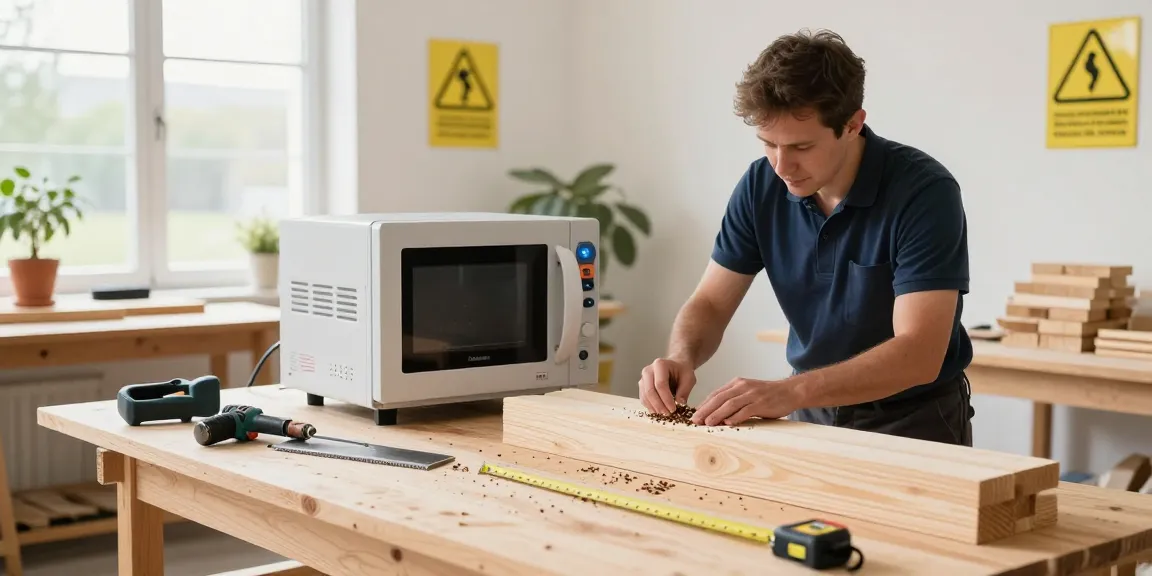
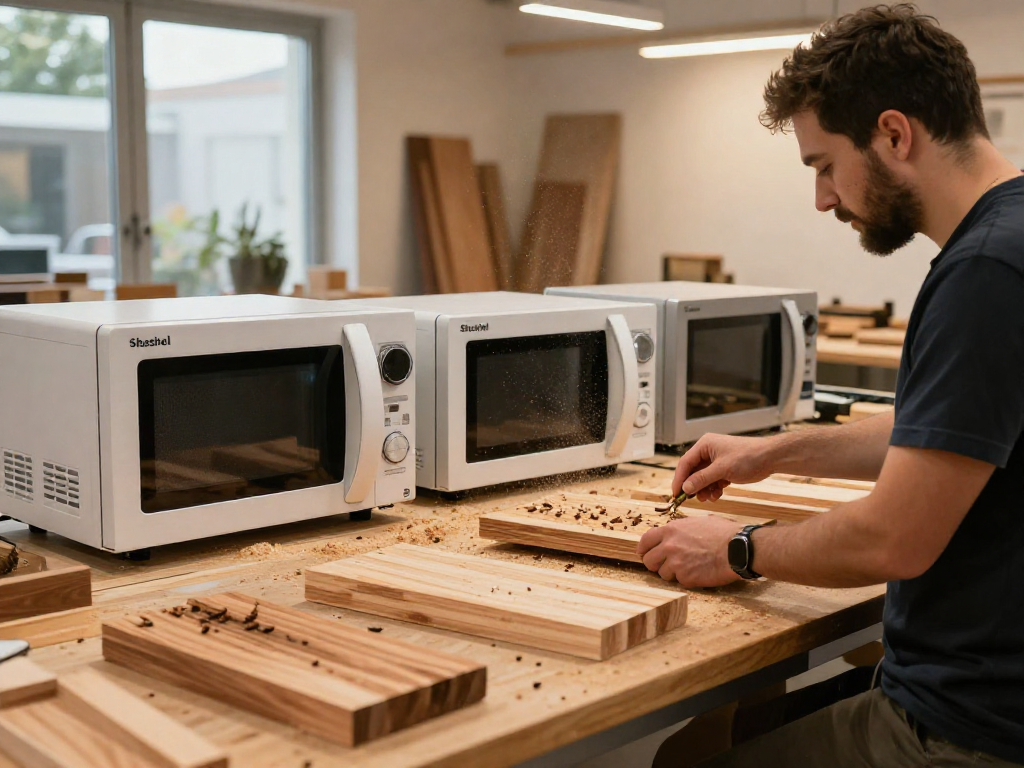
Shashel’s microwave equipment generates high-frequency electromagnetic waves that penetrate the wood. These waves produce heat, effectively killing pests and their eggs without damaging the substrate. Unlike traditional methods that often require toxic chemicals, this approach is both safe and environmentally friendly.
Benefits of Microwave Treatment Over Traditional Methods
Microwave treatments offer several advantages compared to conventional pest control techniques:
- Speed: Pests can be eliminated in minutes, contrasting with the hours or days required for chemical treatments to be effective.
- Non-Toxic: The absence of harmful chemicals makes it safer for both the environment and inhabitants of treated areas.
- No Residue: Unlike sprays and powders, microwave treatments do not leave behind toxic residues that could harm future inhabitants.
Safety and Environmental Considerations with Shashel
Shashel’s approach is designed with safety in mind. The technology ensures that no harmful substances are released into the environment, allowing for pest elimination without the associated risks of chemical exposure. Additionally, the rapid treatment time reduces the duration of disruption to your home or business, making it a practical choice for both homeowners and commercial operators.
Implementing Shashel Microwave Equipment
Utilizing Shashel’s microwave technology requires some understanding and preparation. Following a systematic approach to treatment ensures maximum effectiveness and efficiency.
Step-by-Step Guide to Using Shashel Equipment
- Assessment: Identify and assess the affected areas for signs of infestation.
- Preparation: Clear the area of any obstructions to allow microwave equipment to operate unhindered.
- Treatment: Follow the manufacturer's instructions to set up the microwave device, ensuring that it targets the wood needing treatment.
- Monitoring: Post-treatment, inspect the area to confirm the elimination of pests.
Best Practices for Rapid Pest Control
- Regularly inspect wood items and structures for early signs of pest activity.
- Maintain dry conditions in environments where wood is stored to deter pest infestations.
- Use Shashel equipment periodically as a preventive measure, even in the absence of visible pests.
Common Mistakes to Avoid with Shashel Treatments
When using Shashel equipment, it’s vital to avoid common pitfalls that can undermine its effectiveness:
- Failing to assess the extent of the infestation before treatment.
- Neglecting to clear obstructions that may prevent effective microwave penetration.
- Not following the manufacturer's guidelines, which can lead to incomplete pest elimination.
Case Studies: Success Stories with Shashel
Shashel's technology has been successfully implemented in various residential and commercial contexts. These case studies highlight its effectiveness in wood pest elimination.
Residential Case Study: Quick Woodworm Elimination
A family in a historic home discovered woodworm infestations in their antique furniture, threatening valuable heirlooms. After applying Shashel's microwave technology, they achieved complete pest elimination within minutes, saving their cherished possessions from irreversible damage.
Commercial Applications: Protecting Valuable Wood Assets
In a commercial woodworking shop, the presence of powderpost beetles posed a risk to finished products. The shop implemented Shashel's solution, treating stacks of wood in a rapid cycle. This proactive approach safeguarded their inventory, ensuring they could deliver quality products without delays.
Expert Insights: Testimonials from Woodworkers
Woodworkers have consistently praised Shashel technology for its effectiveness. Many regard it as a game changer, noting that it minimizes downtime and maintenance costs associated with pest control while enhancing the quality of their wood products.
The Future of Pest Control in Woodworking
As we look toward 2026, the evolution of pest control technologies, particularly in woodworking, is promising. Innovations will likely continue focusing on speed, safety, and efficiency...
Emerging Trends in Pest Control Technology
Incorporating artificial intelligence may streamline pest detection and monitoring, allowing for predictive maintenance and treatments. Additionally, new microwave technologies could become even more compact and portable, making them accessible to a wider audience.
Consumer Expectations and Industry Adaptations for 2026
As awareness of environmental issues grows, consumers will increasingly favor non-toxic pest control solutions. The woodworking industry must adapt, integrating sustainable practices into pest management.
Preparing for Future Challenges in Wood Protection
Future pest control solutions must address not only current pest species but also emerging threats. Continuous research and development will be crucial in staying ahead of infestations and ensuring wood longevity.
What are the benefits of using Shashel products?
Shashel products offer quick, effective pest elimination without the use of harmful chemicals. This efficiency helps save valuable time and resources compared to traditional methods.
How does microwave technology compare to chemical treatments?
Microwave technology provides a non-toxic alternative to chemical treatments, often yielding faster results without leaving harmful residues.
Can Shashel equipment be used for various types of wood?
Indeed, Shashel equipment is versatile, suitable for treating both softwood and hardwood. Its effectiveness does not depend on wood type but on proper equipment application.
Is the Shashel method safe for home environments?
Yes, Shashel's method is designed to be safe for home environments, ensuring that no harmful chemicals are used during the pest elimination process.
What is the expected lifespan of wood treated with Shashel?
When appropriately treated with Shashel's technology, wood can maintain its structural integrity and aesthetic quality for years, helping to extend its overall lifespan.