A humanoid robot creates work for more companies than the one that builds its frame. The clearest openings sit around parts, software, training, safety, and repair, where each site will need help turning a machine into useful work.
- Parts that survive repeated walking and lifting
- Software that links the robot to existing tools
- Service teams for setup, repair, and worker training
Where the first money can start
Humanoid robots need more than motors and batteries. They need cameras, force sensors, hands, power systems, control software, and replacement parts. A supplier can focus on one of those jobs instead of building a complete robot.
That narrow focus matters because each part faces a different test. A hand must hold objects without crushing them. A battery must supply power through long work periods. A camera system must help the robot see people, shelves, tools, and floor hazards.
The opportunity is strongest when a supplier solves a task that robot makers cannot handle with a standard part. A gripper built for soft packaging, for example, may serve food plants better than a general-purpose hand.
That claim still needs proof from working trials, but the business question is clear: which repeated task needs a part made for it?
Software and system setup
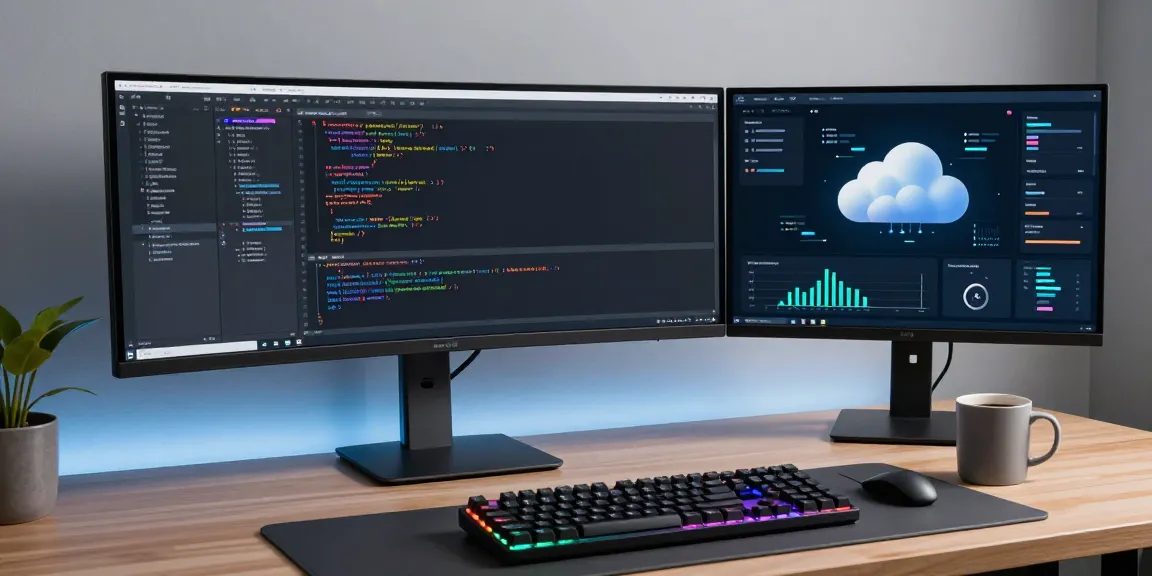
A robot that walks can still be useless if it cannot receive work, report status, or stop safely. Companies can build software that connects a humanoid robot to warehouse systems, factory tools, inspection records, or building access controls.
Some of this work will involve teleoperation. That means a person guides the robot from a distance when its own control system cannot finish a task. The operator’s actions can also show engineers where the robot needs better training or better sensors.
System setup offers another opening. A factory may need floor maps, charging points, safety zones, task rules, and links to its existing software before the robot can work near people. A firm that handles that process can charge for planning and installation, then keep a service contract for updates and fault checks.
After installation, a humanoid robot still needs staff who can train operators and handle faults during daily work. Reports on humanoid robot firms can help you compare those service needs with documented workplace use before pricing support contracts.
Service, training, and safety
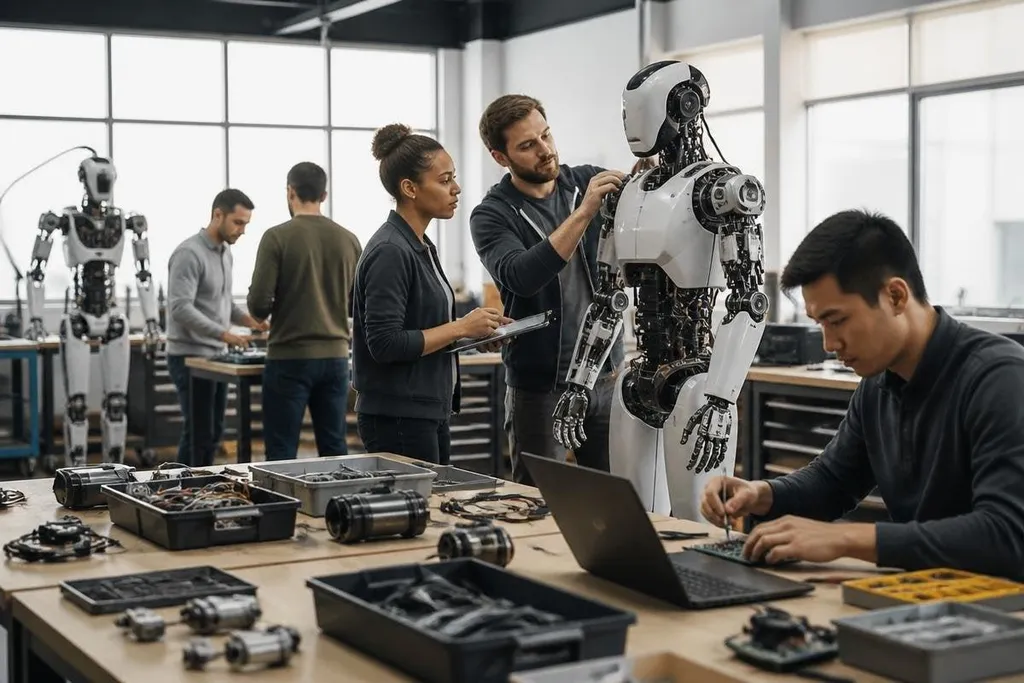
A humanoid robot has moving joints, a battery, sensors, and software that can fail in different ways. That creates work for technicians who can inspect motors, replace parts, check cables, and test emergency stops.
Training may become a business in its own right. Workers need to know how to share space with the robot, load its tasks, report faults, and take control when the system stops. Managers need rules for access, logs, maintenance, and safe recovery after a fall.
Safety work must stay specific. A provider could test stopping distance, check whether a worker can reach the emergency stop, or review how the robot behaves after a lost sensor signal. Vague safety advice won't help a plant decide what to buy.
What can block the business case
The robot may need frequent human help. That cost can erase the value of a task if an operator must guide every movement. A demo that completes one lift says little about a full work period with changing objects, blocked paths, and tired equipment.
Buyers also need clear answers about uptime, repair time, battery changes, software access, data ownership, and liability. Without those terms, a robot may create a service bill before it creates useful output.
I'd start with a narrow task that has a clear count, such as moving one type of item between two fixed points. The buyer can then compare human time, robot time, operator time, repair cost, and safety work.
A practical decision guide
Use these checks before starting a humanoid robot business or buying into one:
- Choose one task with a repeatable result and a known owner.
- Measure the human steps before claiming the robot can cut labor.
- Ask for an uncut test that includes errors, stops, and recovery.
- Price sensors, batteries, spare parts, software, training, and service.
- Set a clear rule for when a person takes control.
- Record what the robot cannot do without help.
The best opening may be a service built around one robot model rather than a new robot company. That path needs less hardware, gives buyers a clear bill, and will expose the real question soon enough: how many useful hours can the robot complete before a person must step in?